Home/ Tools & Sources

Inteligence & Records

These are the research tools we use to examine the world around us.

News Sources

Harleen Kaur & Sukh Singh

Ground News is a platform that makes it easy to compare news sources, read between the lines of media bias and break free from algorithms. Ground News was created to offer clarity in an increasingly chaotic media landscape. Our vision is positive coexistence where cooperative, civil debate is the norm, media is accountable, and critical thought is the baseline of our information consumption. We’re on a mission to well inform the world by empowering readers to think freely about the issues of our times.

John Gable

AllSides is the standard for information integrity. By revealing bias and providing perspectives from all sides, they help people better understand the world — and each other. AllSides’ information integrity technologies and services help people and organizations get out of manipulative, one-sided, and biased information systems wherever they might be — in technology, news, companies, government, classrooms and beyond — so they can all see the full picture, think for themselves and make the best decisions.


Dave Van Zandt

Founded in 2015, Media Bias/Fact Check (MBFC) is an independent website that has promoted awareness of media bias and misinformation by rating the bias, factual accuracy, and credibility of media sources, large and small. Media Bias/Fact Check relies on human evaluators to determine the bias of media sources and the level of overall factual reporting through a combination of objective measures and subjective analysis using our stated methodology.

Dr. Jeff Zheng

NewsBreak connects people to local news and information that matters. Their AI-powered platform serves 40+ million Americans a month with trustworthy content – helping communities stay informed, publishers grow revenue, and local businesses thrive. we set out to reimagine how multimodal digital media content connects businesses to communities. Expanding beyond their core news platform, they developed a suite of AI-powered tools designed for intelligent discovery and publisher empowerment.

Tools & Tactics

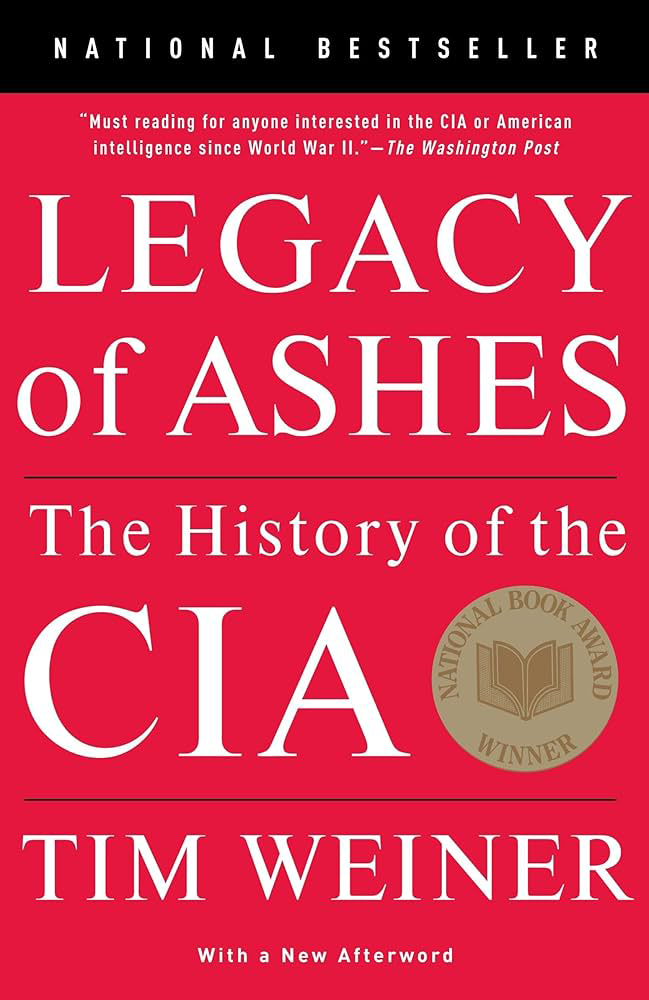
Legacy of Ashes: The History of the CIA

Tim Weiner

NEW YORK TIMES BESTSELLER NATIONAL BOOK AWARD WINNER With shocking revelations that made headlines all across the country, Pulitzer Prize–winning journalist Tim Weiner gets at the truth behind the CIA and uncovers why nearly every CIA director has left the agency in worse shape than he found it, and how these profound failures jeopardize our national security.

The Engineering of Consent

Edward Bernays

Written by the father of public relations, this work reveals the deliberate techniques used to shape public opinion and manufacture agreement on social and political matters.

The Structure of Scientific Revolutions

Thomas S. Kuhn

Essential reading on how scientific paradigms resist change, how anomalies are dismissed until crisis, and why dominant explanations persist beyond their usefulness.

The Shock Doctrine

Naomi Klein

Documents how crises—natural, political, or manufactured—are exploited to implement policies that would otherwise be rejected, while populations are too disoriented to resist.

Discipline and Punish

Michel Foucault

An examination of how modern institutions create systems of surveillance and normalization that shape behavior without overt force, making control invisible and internalized.

The Pentagon Papers

Daniel Ellsberg

A foundational text on how mass media operates as a propaganda system, filtering information through institutional constraints to serve elite interests while maintaining the appearance of objectivity.

Zorvox's Favorites

Legacy of Ashes

Tim Weiner

A history of failure that somehow never fails upward. This book shows how secrecy, inertia, and institutional survival quietly replace accountability. It’s not about villains or heroes—it’s about a system that absorbs mistakes and keeps going, shaping the modern world whether it works or not.

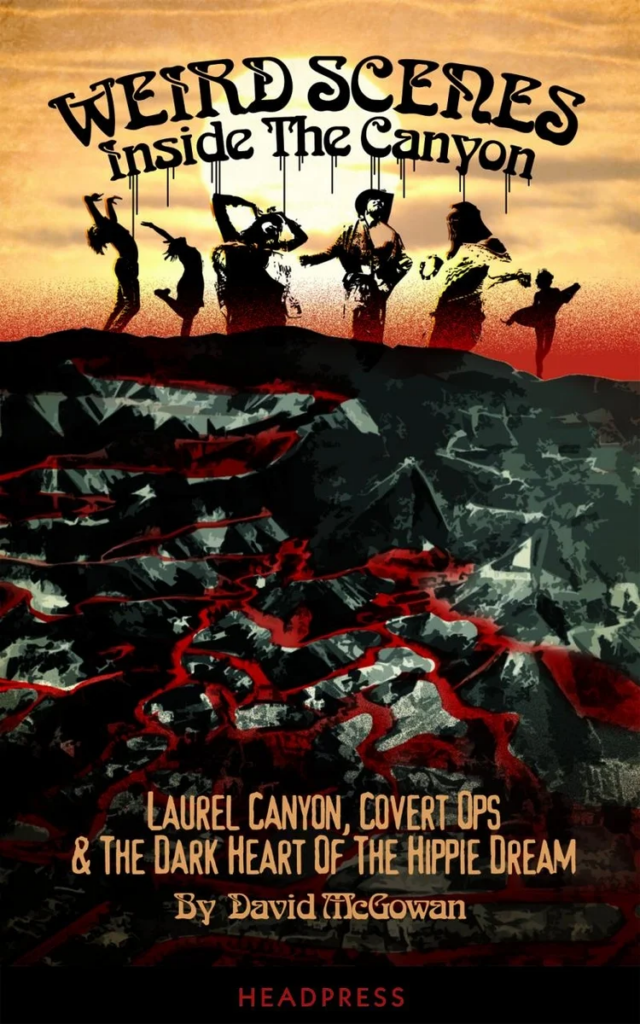
Weird Scenes Inside The Canyon

Dave McGowan

A cultural mystery that refuses to stay in the past. This book connects music, power, and influence in ways that feel uncomfortable precisely because they’re never shouted—only noticed. It reads like a map of hidden intersections where culture stops being organic and starts being steered.

The Ascent of Money

Niall Ferguson

Power doesn’t move without money, and money doesn’t move without systems. This book explains how financial structures quietly outlast empires and ideologies. It’s the story of how abstract instruments end up shaping real lives—and why understanding money is understanding power.

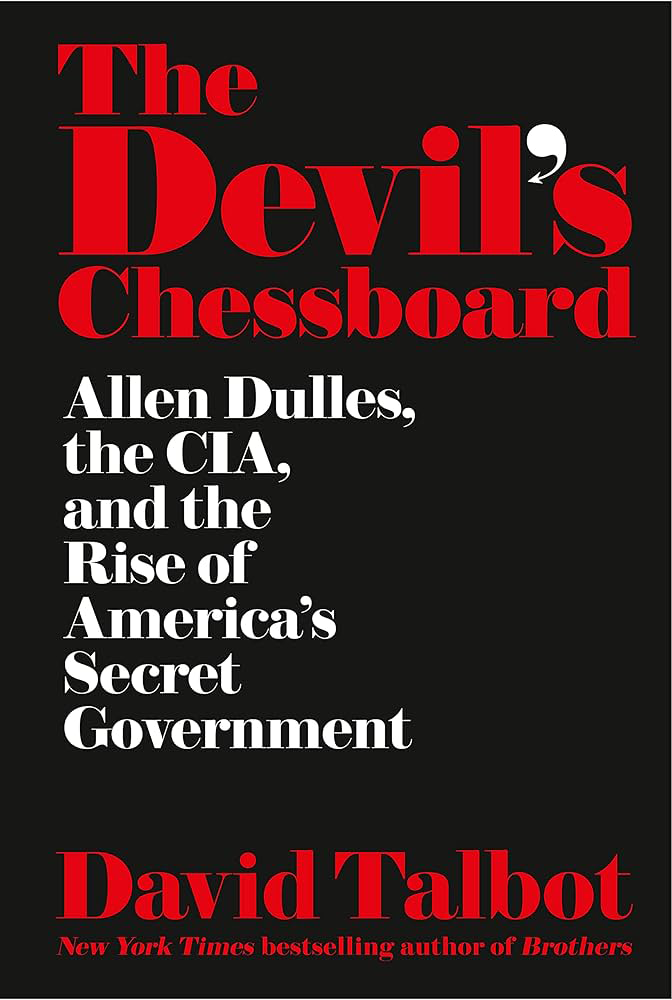
The Devil's Chessboard

David talbot

A portrait of power that doesn’t retire when the spotlight moves on. This is the story of influence that survives disgrace, elections, and public outrage. It shows how individuals shape systems quietly—and how removing a person doesn’t necessarily remove their reach.

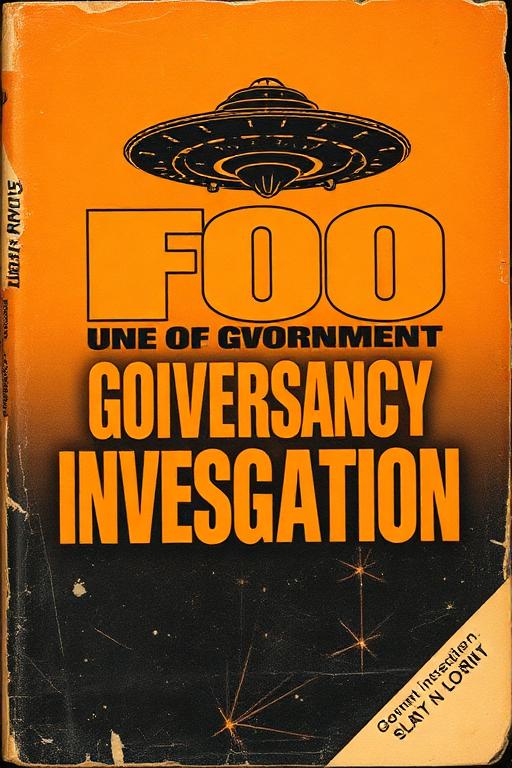
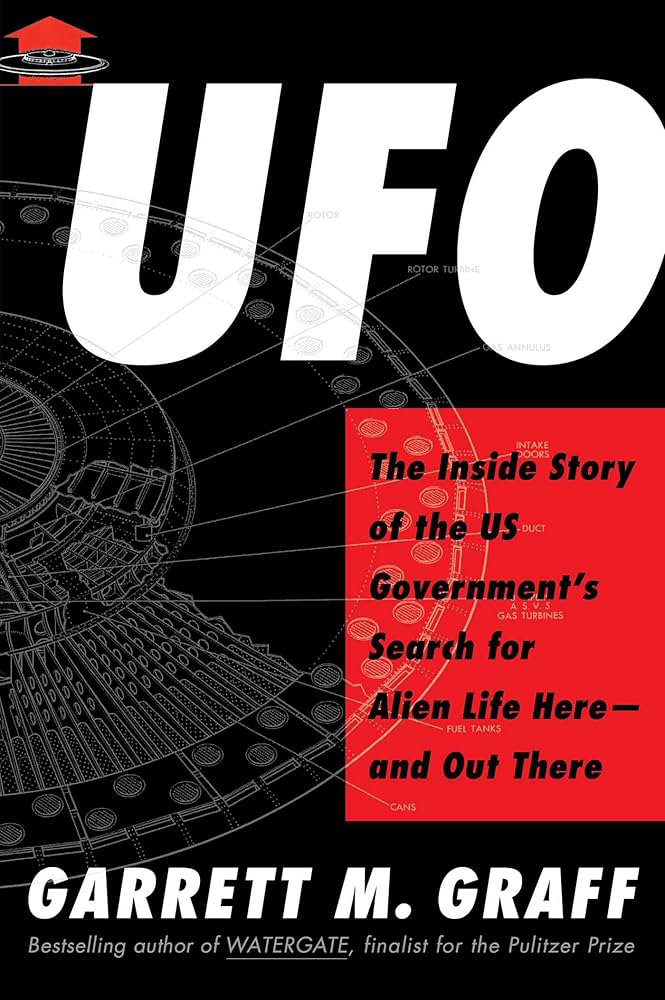
UFO: The Inside Story of the U.S. Government's Seach for Alien Life

Garrett M. Graff

Less about aliens, more about uncertainty. This book reveals how governments respond when they don’t have answers but still need control. It’s a case study in information management, credibility, and fear—showing that ambiguity itself can become a strategic asset.​

One Nation Under Blackmail

Whitney webb

This is about leverage, not conspiracy. A dense, unsettling look at how kompromat, finance, and intelligence intersect over decades. It’s not meant to be comforting. It’s meant to make you ask why certain people and institutions always seem untouchable, no matter what comes out.

Dark Alliance

Gary Webb

A brutal example of what happens when a story threatens too many interests at once. This book isn’t just about drugs or intelligence—it’s about the cost of breaking narrative containment. Read it to understand how truth can be isolated, discredited, and buried without ever being disproven.

Confrontations

Jacques Vallée

A quiet, unsettling exploration of encounters that don’t fit clean explanations. Vallée isn’t chasing spectacle—he’s documenting patterns. This book challenges the idea that reality must be simple, and shows how institutions struggle when experiences refuse to behave on command.

Dimensions

Jacques Vallée

This book dismantles the idea that unexplained phenomena fit neat categories. Vallée treats encounters as data points that disrupt assumptions about consciousness, belief, and control. It’s unsettling because it refuses easy answers—and forces you to consider that the framework itself may be the limitation.

Revelations

Jacques Vallée

This book turns the focus inward. Rather than asking what the phenomenon is, Vallée examines how humans react to it—through belief, deception, authority, and control. It’s less about sightings and more about psychology, showing how uncertainty exposes the systems we use to manage truth itself

How to Use These Sources

You don’t need to agree with every author here. You don’t even need to read the entire book.

Use these books to:

◆  Identify recurring language

◆  Compare stated intentions with observed outcomes

◆  Track who benefits once a narrative is accepted

◆  Recognize when complexity is used to shut down inquiry

The value is in comparison, not belief.